

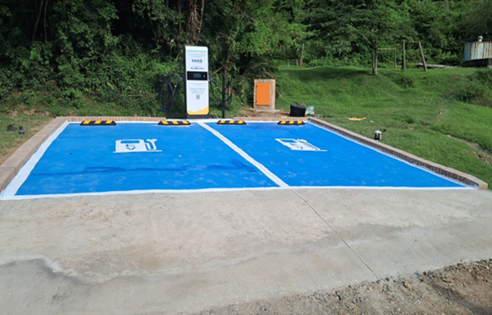
The Eastern Cape’s Nature Reserves are opening doors for green investment. The Eastern Cape Parks and Tourism Agency (ECPTA) continues to position itself as a strategic partner in driving green economy initiatives and infrastructure development within the province’s protected areas. In an exciting development for both the tourism and automotive sectors, the Agency has partnered with the Automotive Industry Development Centre Eastern Cape (AIDC-EC) to support the rollout of electric vehicle (EV) infrastructure in the province, opening new opportunities for sustainable tourism investment.
Earlier in May, the AIDC-EC team launched its Electric Vehicle Road Trip (EVRT), a three-day expedition across key Eastern Cape routes, aimed at testing and documenting the experience of using the province’s growing network of EV charging stations. The journey served as a strategic platform to spotlight locations with untapped investment potential within the green mobility and eco-tourism sectors.
Among the stopovers was Silaka Nature Reserve, which was strategically identified for inclusion in the province-wide EV infrastructure rollout, following a series of engagements between AIDC-EC and ECPTA. The installation of a fully operational EV charging station within the reserve is now complete, positioning Silaka as one of the first nature-based destinations in the Eastern Cape to offer this amenity.
In addition to enhancing visitor convenience, the availability of EV infrastructure within nature reserves such as Silaka offers potential for complementary investments in eco-friendly accommodations, nature-based experiences, and hospitality services tailored to sustainable tourism markets.
The successful collaboration between ECPTA and AIDC-EC underscores the province’s commitment to fostering a green economy and invites both public and private sector stakeholders to explore investment partnerships within the Eastern Cape’s conservation and tourism sector.
Did you know?
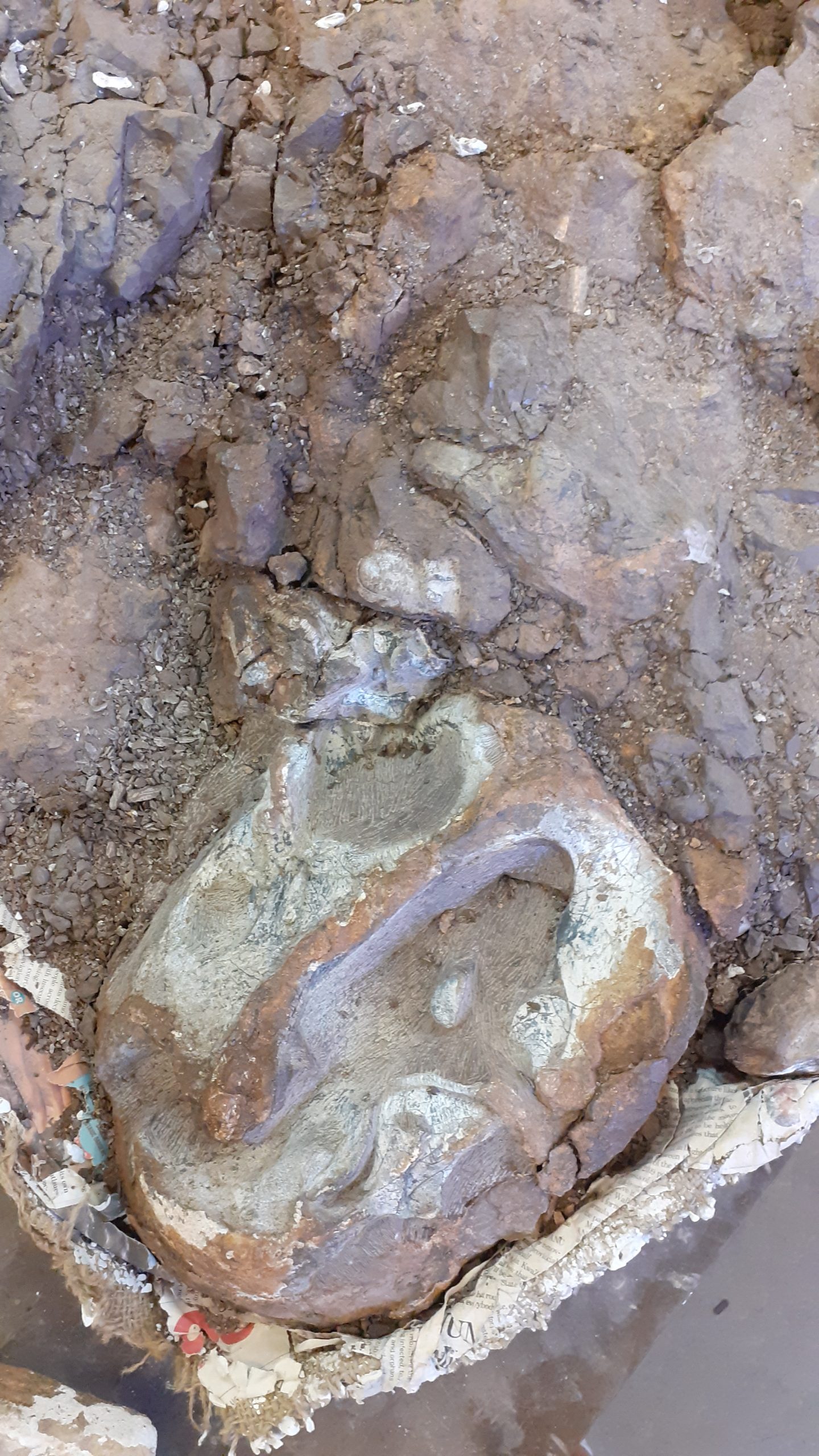
A fossil discovery has put Oviston Nature Reserve in the spotlight. The Eastern Cape Parks and Tourism Agency (ECPTA) is proud to celebrate a remarkable paleontological discovery made at one of its nature reserves, Oviston Nature Reserve. Earlier this year, a research team led by palaeontologist Dr. Julien Benoit from the University of the Witwatersrand unearthed a remarkably well-preserved Lystrosaurus fossil, believed to be over 250 million years old.
This extraordinary fossil, which includes a skull with intact tusks, skeletal remains, and rare impressions of the creature’s skin, provides invaluable insights into life during the Permian-Triassic period. Not only does this discovery add to South Africa’s rich fossil record, but it also positions Oviston Nature Reserve as a significant site for ongoing scientific research and conservation.
What makes this find even more fascinating is its connection to indigenous San rock art located near the reserve. These ancient artworks feature depictions of a horned, tusked creature believed to represent a Lystrosaurus, suggesting that the region’s early inhabitants may have encountered fossilised remains and woven them into their oral histories and artistic traditions, long before modern science recorded the species.
Known for its stunning natural beauty along the shores of Lake Gariep, Oviston Nature Reserve is fast gaining recognition as a destination of ecological, historical, and scientific significance. The ECPTA remains dedicated to supporting research collaborations, conservation efforts, and community education initiatives that celebrate and preserve the province’s unique natural heritage.
This remarkable fossil discovery is expected to draw further academic interest to Oviston and strengthen the Eastern Cape’s reputation in the global palaeontological community.